The Bag Lifecycle: Maintenance as a Craft
Fashion and function converge when we view a bag as a companion for daily life, travel, and memory. A well-cared-for bag can outlive trends and even inspire new uses beyond its original purpose. The lifecycle of a bag begins with its materials, construction, and the care it receives. Understanding these elements helps us make informed decisions about when to repair, when to repurpose, and when to responsibly recycle or donate. The following sections draw on practical maintenance routines that work across common bag materials—canvas, leather, and coated fabrics—while acknowledging the distinct care needs each material demands.
Basic maintenance by material
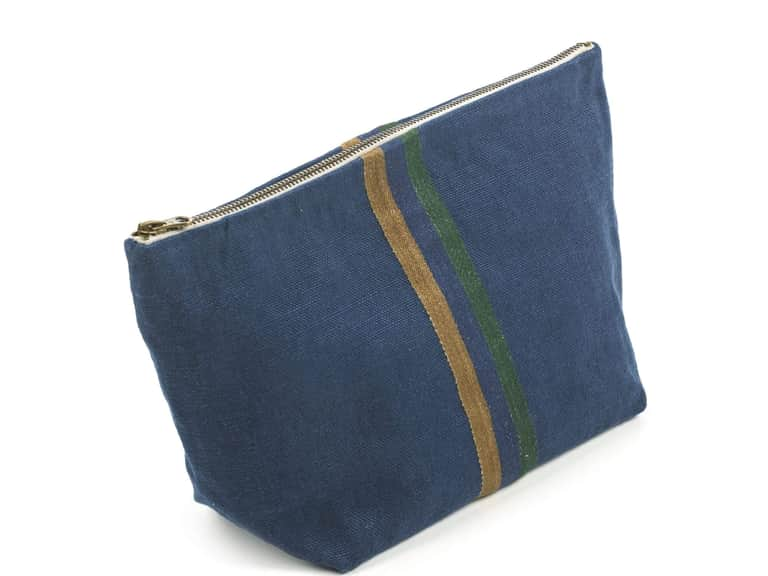
- Canvas: Regular brushing to remove surface dirt, spot-clean with mild soap and water, then air-dry away from direct heat. For stubborn stains, a gentle fabric cleaner or a solution of baking soda and water can help lift grime without weakening the weave. Protect seams by inspecting for loose threads and re-stitching as necessary.
- Leather: Clean with a soft, damp cloth and a pH-neutral leather cleaner if needed. Conditioning is essential—apply a small amount of leather conditioner after cleaning to preserve suppleness. Avoid over-conditioning, which can lead to a sticky surface or darkened patches. Store leather bags with tissue to maintain shape.
- Coated fabrics: Wipe with a damp cloth and a mild detergent. Be cautious of harsh solvents that can wear away coatings. When coatings crack, consider professional repair to reseal seams or panels and extend the bag’s life.
Hardware and seams: quick checks
Damaged zippers, torn seams, and eroded hardware are the most common culprits limiting a bag’s lifespan. A routine, proactive approach helps avert larger problems:
- Lubricate zippers with graphite or silicone-based products; avoid oil-based lubricants that attract dust.
- Reinforce seams before they unravel by hand-stitching a thread along the interior or applying a dab of fabric glue along frayed edges (where appropriate, and with caution).
- Replace worn hardware with compatible parts when possible—this is a practical upcycling move that preserves function and aesthetics.
When to repair vs. when to retire
Repair tends to pay off when the bag holds sentimental value, is structurally sound, and has repairable issues that do not compromise its safety or basic function. If a bag has structural damage that would require significant reinforcements, or materials that pose safety concerns (e.g., exposed broken hardware that could snag clothing), retirement or repurposing into a new project may be a wiser choice. In all cases, contemplate the bag’s end-of-life trajectory—donation to a thrift or charity, or recycling through appropriate programs—so that components find new value rather than becoming waste.
Step-by-step quick fixes for common issues
- Zippers stuck or separating: Clean the zipper teeth with a soft brush. Apply a small amount of graphite powder or silicone-based zipper lubricant along the teeth. Smooth the slider back and forth to distribute lubrication. If the zipper tape is torn, consider a repair or replacement of that section by a professional.
- Loose handles or straps: Inspect the attachment points. For fabric-stitched handles, re-secure with a reinforced stitch pattern (box stitch or X-stitch). For hardware-attached straps, ensure rivets or clasps are secure; replace any damaged hardware with matching components.
- Worn corners and abrasion: Apply a protective patch or corner reinforcement. For leather corners, a dab of matching conditioner can restore balance and reduce further wear. Consider a bag sleeve or cover to protect against daily scuffs.
Care routines you can integrate into daily life
- Develop a quarterly cleaning habit: a quick wipe-down, minor exhibition of wear, and a check of hardware.
- Store bags in breathable dust bags or cotton covers to reduce dust while allowing air circulation.
- Rotate usage to distribute wear evenly across bags, increasing longevity by avoiding overuse of a single item.
Upcycle and reimagine: breathing new life into old bags
Upcycling holds a special place in the bag lifecycle. When a bag has seen better days but still carries potential, a thoughtful redesign or repurposing can yield useful new forms. Upcycling respects the materials’ histories, reduces waste, and often yields unique, personalized items that tell a story about sustainability in action.
Creative upcycle ideas
- Bag-to-basket conversions: Transform sturdy totes into compact storage baskets for home or office use. Reinforce with a rigid base and a few seams to hold shape.
- Strap jewelry and organizers: Remove straps from old bags and repurpose as decorative belts or organizational straps for cords and cables.
- Accessory hybrids: Convert large bags into limited-edition pouches or organizers by cutting the fabric carefully and adding new linings.
Careful disassembly and material separation
When upcycling, consider the environmental impact of the materials. Separate textiles from hardware and fasteners to improve recycling options. For bags with mixed materials (e.g., leather and fabric components), plan the disassembly to minimize waste and maximize reuse of viable parts.
Case study: a small-scale repair café approach
In communities around the world, volunteer-run repair cafés demonstrate how a culture of repair sustains everyday objects. A bag repair café might gather enthusiasts who can fix zippers, resew handles, and guide attendees through cleaning routines. Such events not only extend lifespans but also foster shared knowledge and a sense of collective responsibility for our belongings.
Donating, recycling, and ethical disposal
At the end of a bag’s usable life, consider donation or recycling pathways. Donating preserves value for others and helps extend the bag’s useful life, especially for high-quality items. Recycling programs can recover materials and reduce landfill waste, though the feasibility varies by material and local infrastructure. The goal is to direct items toward the most appropriate channel, guided by safety, value, and environmental impact.
Donation best practices
Before donating, ensure bags are clean and functional. Remove all personal items, empty pockets, and wipe down surfaces. Include any spare hardware or care instructions if available. Seek donation centers that accept bags and are aligned with your sustainability values.
Recycling and material recovery
Not all bags can be recycled in standard municipal streams. Research local textile recycling facilities and asking about accepted materials. Some brands and retailers provide take-back programs for old bags or offer refurbishment options that channel materials back into new products rather than waste.
Ethical and environmental considerations
When disposing of bags, prefer options that maximize reuse and recovery. Consider the life history of the bag: if it contains hazardous components or non-recyclable composites, ensure safe handling. The aim is to minimize environmental impact while honoring the bag’s journey.
Case studies: notable individuals who shaped the bag’s story
Throughout history, individuals with an eye for design, function, and longevity have influenced how we view everyday objects like bags. Three figures from different time periods illustrate enduring values—craftsmanship, social conscience, and innovation—that resonate with the philosophy of sustainable bag care.
Charles Montague, 1780s – The Craft Ethic
In an era when fashion and utility were inseparable, artisans who stitched leather with precision defined a standard of durability. Montague’s workshop recipes emphasized seat-of-the-hand leatherwork and reinforced seams that stood the test of travel and daily wear. His legacy is a reminder that quality construction compounds over time, rewarding patients with longevity.
Elena Garcia, 1960s – Social Consciousness in Design
Garcia championed accessible, ethically produced accessories. Her work bridged aesthetics and social responsibility, inspiring a generation to consider how bags could support communities and responsible consumption. Her approach foreshadowed today’s emphasis on repairability and circular design within fashion.
Mika Zhou, 2000s – Innovation in Materials
Zhou explored novel fabric composites and coatings that increased water resistance and durability. Her experiments in material science helped popularize bags capable of enduring diverse climates and activities, illustrating how chemistry and design collaborate to extend a bag’s life.
Featured products: integrating quality with longevity
We pair practical guidance with tangible examples. The following items illustrate the balance between luxury, durability, and responsible care. Each product below is presented with care instructions and a lens on how it fits into a sustainable bag lifecycle. Displayed items are chosen to demonstrate materiality, maintenance needs, and potential for long-term use.
Silk Laundry Bag - Pink & Ivory Stripe
100% Mulberry silk with a 19 Momme weight for durable, breathable storage of delicate items. While designed for travel laundry, its lightweight, premium fabric illustrates luxury applied to everyday care. Drawstring closure ensures secure transport.
Silk Laundry Bag - Pink & Ivory Stripe (Product image would appear here in a visual layout)
Price: $85.00
Care: Machine wash delicate cycle at 30°C; air dry; cool iron. Material: Mulberry silk, 19 Momme. Dimensions: 21" x 16".
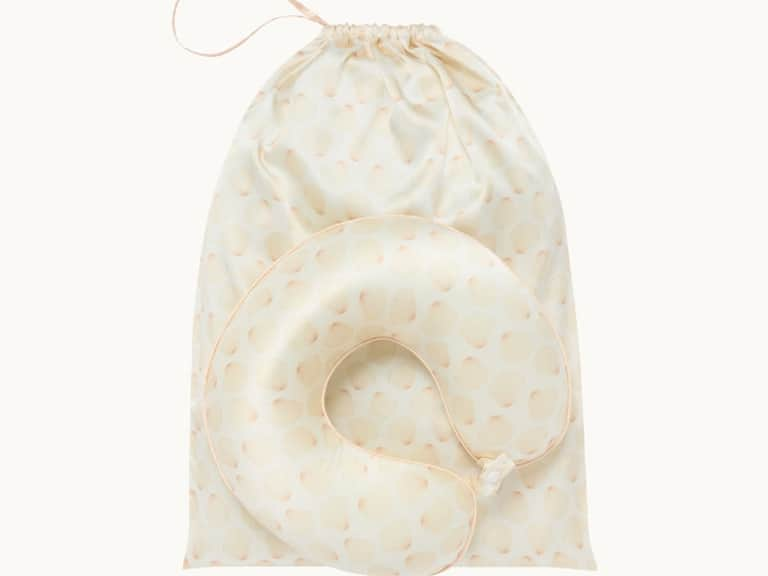
Silk Laundry Bag Seashells
A Memo Press collaboration featuring a seashell motif. Lightweight silk storage that protects fabrics from dust and friction during travel. Drawstring closure keeps items secure.
Silk Laundry Bag Seashells (Product image would appear here in a visual layout)
Price: $85.00
Care: Machine wash delicate cycle at 30°C; air dry; cool iron. Material: Mulberry silk, 19 Momme. Dimensions: 21" x 16".
Note: Product images shown here are placeholders representing the kind of durable, premium accessories compatible with the bag-care philosophy described in this guide. In a live site, these would link to product pages and include alt text for accessibility.
Final reflections: building a culture of mindful bag care
The act of caring for bags extends beyond the act of cleaning or repairing. It embodies a philosophy of attention—an acknowledgement that objects carry our fingerprints, patterns of use, and stories. By embracing the lifecycle approach, readers become stewards who balance aesthetics, functionality, and environmental responsibility. The path is not merely about prolonging a single item’s life, but about cultivating habits that influence how we purchase, repair, and dispose of goods in a circular economy.
As this article has explored, there are many routes to a more sustainable and satisfying relationship with bags. Whether you repair a zipper, repurpose an old tote into a storage basket, or donate a well-loved backpack to a local charity, every action contributes to a larger narrative of stewardship. In the spirit of usedbag.org, we invite readers to document their own bag journeys, share outcomes, and learn from a community dedicated to thoughtful, durable design.