Textile Upcycling · Materials & Care
Linen or Silk? Choosing Textiles for Upcycling Projects
A fabric scrap is more than leftover material. It carries a history of wear, washing, sunlight and use—and its fibers will shape what it can become next. Linen and silk can both make beautiful, useful objects, but they behave differently under scissors, needle and everyday strain. Understanding those differences is the first step toward an upcycling project that lasts.
Published October 23, 2026
Spread a piece of cloth on a table and its future begins to emerge. A loose weave might become a soft-lined pouch; a smooth, shimmering remnant could be just large enough for a pocket or a small decorative panel. Yet the right project depends on more than color or size. Fabric has a physical character: the way it bends, frays, takes a crease, accepts a seam and responds to water.
Linen and silk reveal that character in contrasting ways. Linen, made from flax fibers, often feels dry and crisp, with a visible weave and a tendency to soften through use. Silk, produced from the filament of silkworm cocoons, is typically smooth and supple, with a fine surface that can catch light. Both are natural fibers, but that shared origin does not make them interchangeable. Their strengths, weaknesses and care needs point toward different kinds of small-scale reuse.
Before choosing a pattern, inspect what you have. A beautiful scrap may be weakened at the fold, faded along an edge or marked by a stain that will not lift. A little testing—done discreetly—can reveal whether the cloth is sound enough to cut and how it responds to stitching and cleaning. That quiet assessment is often the difference between a project that earns a second life and one that quickly returns to the scrap basket.
Start with the fabric in front of you
Fiber names offer useful clues, not a complete diagnosis. Linen can vary in weight, weave, finish and condition. Silk can range from sturdy, closely woven cloth to fine material that is easily snagged. Previous treatments matter too: a fabric may have been dyed, coated, blended with other fibers or altered by years of washing. Labels and care instructions are valuable evidence, but if they are missing, a cautious test is better than a confident guess.
Begin with a visual and tactile inspection. Hold the material toward a window or lamp to look for thin patches, pinholes and uneven density. Feel for brittle areas, sticky residues or sections that seem unusually stiff. Check the edges and old seams, where wear often appears first. If the cloth has a musty smell, unexplained marks or signs of pest damage, address those concerns before storing it beside other textiles or incorporating it into a project.
Next, consider the demands of the object you plan to make. A decorative bow, a soft sachet cover or a small fabric ornament experiences little pulling. A tote handle, drawstring channel or frequently handled pouch faces repeated stress. Delicate material can still contribute to a durable object when it is used in the right place—for example, as a lining, accent or pocket panel—rather than asked to bear the full load.
- Inspect: Look for fading, holes, weak seams, stains and areas that have become thin.
- Identify: Read the label if available, and note any known blends, finishes or care restrictions.
- Match: Choose a project whose size, structure and expected wear suit the fabric’s condition.
- Test: Try a small hidden area before washing, pressing or stitching the whole piece.
Linen: a visible weave and a sturdy feel
Linen’s appeal begins with its texture. The surface may show small irregularities in the yarn and weave, giving the cloth a natural, slightly varied appearance. In a project, those features can feel like part of the design rather than flaws. Linen’s crisp hand can also help a small object keep a defined shape, especially when the fabric is medium-weight and in good condition.
That structure makes linen a natural candidate for simple cases, napkins, small organizers, book covers or sturdy decorative panels. A well-preserved piece may also work for a pouch or a lightweight bag, provided the construction accounts for its weight and stress points. Reinforcing corners and handles with suitable fabric, and avoiding a load beyond the material’s strength, can help a new object withstand regular use.
Linen has a reputation for durability, but age and wear still matter. Repeated abrasion can thin it, while old creases may become weak lines that split under tension. Its cut edges can fray, so finished seams are important. A narrow turned hem, a bound edge or another appropriate finish can contain loose threads and help the project look intentional. The best method depends on the weave and thickness; test the planned seam on a small offcut before committing to the final piece.
Pressing can help linen lie flat, but heat and moisture should follow the fabric’s care instructions. Older, dyed or previously treated cloth may behave differently from new yardage. If the label is gone, begin with a low-risk test in an inconspicuous spot. Avoid assuming that every linen scrap can tolerate the hottest setting or a vigorous wash.
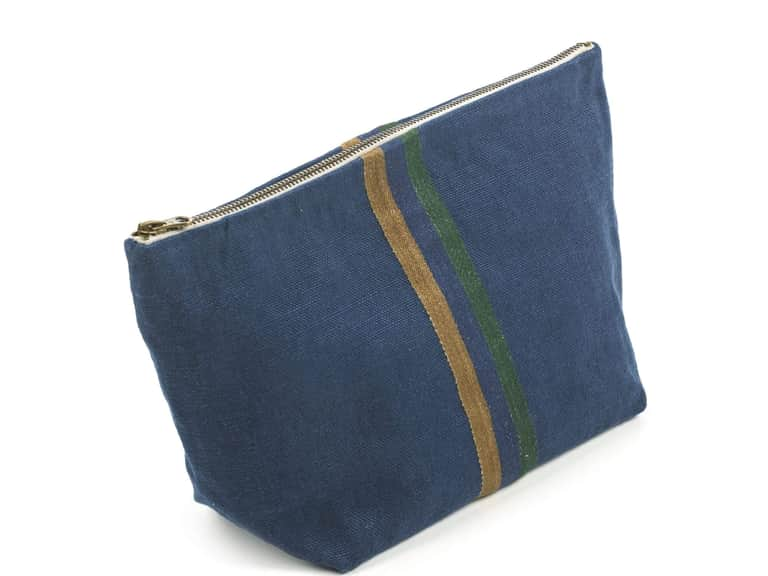
For a useful brand reference, Libeco is associated with linen textiles. Its Max Cosmetic bag offers a finished-accessory example to consider when thinking about how linen-related design can translate into a compact object. The product information available does not specify its material, however, so it should not be treated as confirmation of a particular fiber. For an upcycling project, rely on the label and physical inspection of the fabric you actually have.
Silk: fluid, fine and sensitive to handling
Silk behaves differently in the hand. Its smoothness and drape can give a small project a soft, fluid finish, while its surface may reflect light in a way that makes even a modest scrap visually striking. It can suit accents, narrow ties, small linings, decorative patches or sachet covers, especially when the piece is protected from rough contact and heavy strain.
But silk’s fine appearance is not a promise of fragility, nor is the word itself a guarantee of strength. Construction and condition matter. A tightly woven silk may handle differently from a lightweight, loosely woven one. A worn fold or tiny snag can become a weak point once a needle passes through it. Fine fabric may also shift while being cut or stitched, making careful preparation essential.
Use sharp scissors and a clean work surface, and keep pins or clips from damaging the visible face. If the cloth slips, baste the layers or use a temporary method that will not leave marks. Choose a fine needle and test stitch length and tension on a hidden section or matching scrap. Pulling thread too tightly can pucker the fabric; a seam that looks smooth on the table may change when the piece is handled.
Silk’s care needs deserve particular attention. Follow any original label, and do not assume a fabric is washable simply because it is silk. Some silk items may be marked for delicate washing; others may require different care. If there is no reliable guidance, test a discreet area for color transfer, water marks or changes in texture before cleaning the whole piece. Drying and ironing also call for caution: use the care instructions, avoid unnecessary heat and never press a valuable or irreplaceable textile without testing.
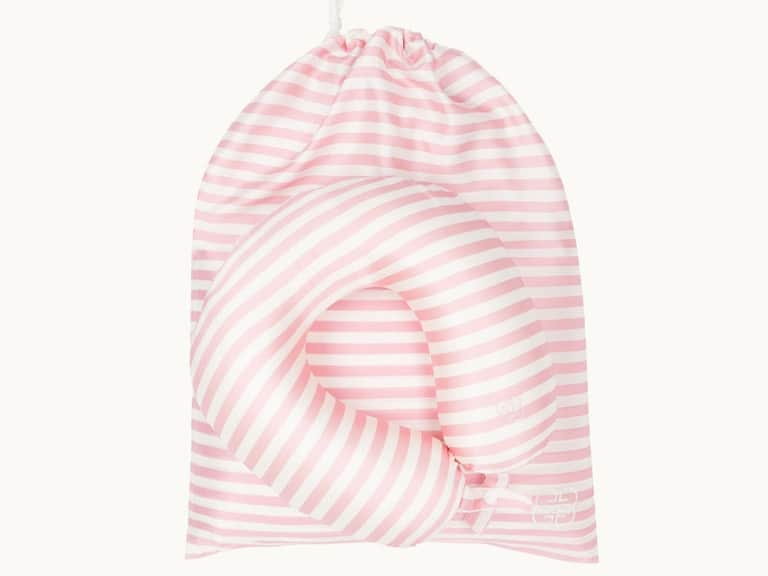
Gingerlily provides a practical reference point for silk used in an everyday textile object. Its Silk Laundry Bag in Pink & Ivory Stripe is described as 100% Mulberry silk at 19 Momme, with a drawstring closure. The stated care instructions specify a delicate machine-wash cycle at no more than 30°C, air drying and cool ironing. Those details apply to that particular product—not automatically to every silk remnant—but they illustrate why material, construction and item-specific care all belong in the decision.
The project should follow the cloth
Upcycling often begins with an idea: a pouch, a patchwork panel, a new lining for a tired bag. A more reliable approach starts with the fabric’s limits. Measure the usable area, mark the damaged sections and decide which portions can be cut without carrying old weaknesses into the new object. Then choose a design that makes the most of what remains.
Linen’s body can suit projects that benefit from a little structure. A small organizer or simple case can take advantage of a crisp hand, while a heavier piece may work as an outer panel. Silk’s drape may be better suited to details that move, fold or sit close to another surface. A silk lining can add a smooth interior to a small object, but it should not be expected to compensate for a weak outer shell or fragile seams.
Pairing fabrics is possible, but differences in weight and movement need consideration. If a soft silk is sewn to a firm linen, the layers may shift at different rates. A test seam can show whether the combination lies flat or puckers. Align the grain and cut direction where possible, use gentle handling, and avoid stretching one layer to make it match another. If a piece is intended for frequent use, place the stronger material where pulling and abrasion are greatest.
Think also about what the object will encounter. A small decorative item kept on a shelf has different needs from a pouch carried in a backpack. A project exposed to spills or frequent washing may not be the best use for a fabric with uncertain care requirements. When durability is the priority, reinforce high-stress areas with compatible material and keep delicate textiles away from edges that rub repeatedly.
Test before you cut
A few minutes of testing can save a valued remnant. Begin with the smallest practical sample, ideally from a portion that would not be used in the finished design. If no offcut is available, choose a hidden area and proceed cautiously. The aim is not to prove that every treatment is safe, but to learn enough to make a lower-risk choice.
- Check the color. Dab a barely visible area with a clean, slightly damp white cloth. Watch for dye transfer and allow the fabric to dry before judging the result.
- Observe the surface. Note whether water leaves a mark, changes the hand or disturbs a finish. Stop if the fabric reacts unexpectedly.
- Try the seam. Use the needle, thread and stitch you expect to use. Look for puckering, skipped stitches, pulled yarns or enlarged holes.
- Test pressing. Follow the label and start conservatively. Use a clean pressing cloth if appropriate, and check for shine, flattening or color change.
- Reassess after handling. Gently flex the sample and examine the seam and surface again. A change that appears only after movement can matter in daily use.
For an unknown fabric, avoid broad experiments such as soaking, bleaching or applying stain removers across the whole piece. A test cannot remove every uncertainty, especially when the textile’s history is unknown, but it can reveal obvious risks before they become irreversible.
Cutting and sewing with care
Good preparation is especially valuable when working with reclaimed cloth. Clean the work area so grit cannot abrade the surface. Lay the fabric flat without forcing it into shape, and place pattern pieces to avoid worn folds and stains. If a scrap is irregular, paper patterns or a simple cardboard template can help you plan around its usable areas before making a cut.
For linen, account for fraying and finish the raw edges. For silk, prioritize control: keep layers from sliding, handle the cloth with clean hands and test needle choice on a sample. In either case, match the thread and seam allowance to the project rather than relying on a single rule. The fabric’s weight and weave should guide the construction.
Make the first version simple. A small envelope pouch, patch or covered notebook can teach you how the material behaves without requiring extensive cutting. If the result works, more ambitious projects can follow. If the seam is difficult or the textile proves too weak, the failed test has still provided useful information—and the remaining cloth can be assigned to a gentler purpose.
A quick comparison
| Consideration | Linen | Silk |
|---|---|---|
| Typical feel | Dry, crisp and visibly textured, though weight and finish vary. | Smooth and often fluid, with a surface that may reflect light. |
| Potential project roles | Panels, small organizers, cases or other shapes that benefit from body. | Accents, linings, ties and small pieces that benefit from softness or drape. |
| Common handling concern | Fraying edges and weak areas at old folds or worn seams. | Slippage, snags and sensitivity to untested cleaning or heat. |
| Best first step | Inspect the weave and test the planned edge finish. | Check care guidance and test stitching and color response discreetly. |
This comparison is a starting point, not a substitute for examining the specific cloth. A dense silk can be more robust than a badly worn linen scrap; a fine linen may be less suitable for a structured object than its fiber name suggests.
Care is part of the design
A successful upcycling project is not complete when the last thread is clipped. The object must also have a realistic care routine. If it will be used near cosmetics, food or travel laundry, consider whether it can be cleaned in the way the fabric permits. If the care instructions are restrictive or uncertain, choose a use that is unlikely to involve frequent washing and explain the limitation to anyone who will use it.
Store unused scraps clean and dry, away from strong sunlight and damp conditions. Fold them loosely or roll them if sharp creases might stress the fibers. Label known materials and care instructions so future makers do not have to guess. A small note attached to a remnant can preserve useful information long after the original garment or household item has been separated from it.
Upcycling is often described as transformation, but it is also a practice of attention. The maker learns to see a worn edge as a boundary, a sturdy panel as an opportunity and a delicate fragment as something worth protecting. Linen and silk each offer a different vocabulary. Linen can bring texture and shape; silk can bring fluidity and a smooth, luminous surface. Neither is universally better. The right choice is the one that respects the cloth’s condition and gives it a purpose it can comfortably serve.
A final checklist before beginning
- Have you checked the label or recorded what is known about the textile?
- Is the fabric free of damage that would make the planned use unsafe or short-lived?
- Does the project match the material’s weight, drape and likely strength?
- Have you tested color response, pressing and stitching in a discreet spot?
- Are seams, edges and stress points designed to suit the fabric?
- Can the finished object be cared for in a way the textile will tolerate?
When those questions have answers, the choice between linen and silk becomes clearer. Not because one fiber wins, but because the material tells you what it is ready to become.